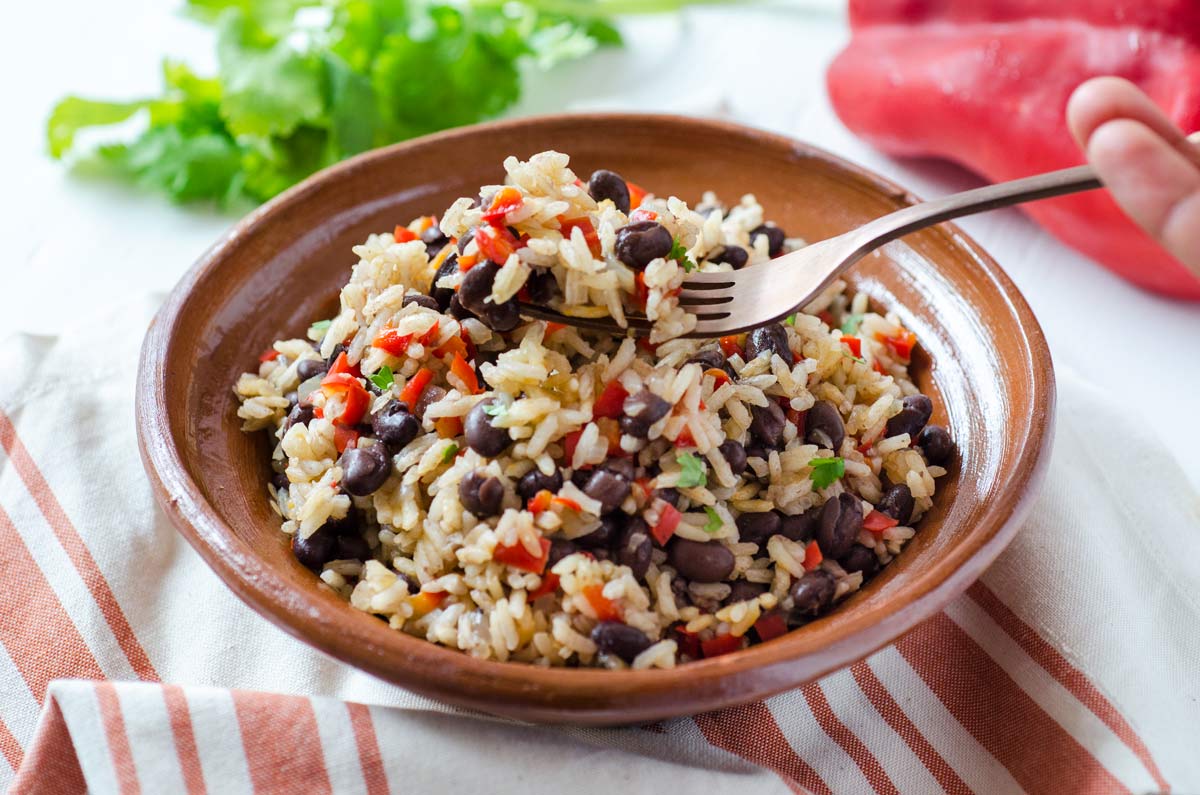
Gallo Pinto, a cherished staple in Central American cuisine, epitomizes comfort food at its finest. This vibrant dish, whose name translates to "spotted rooster" in Spanish, is a savory blend of rice and black beans that is celebrated for its rich flavors and versatility. It holds a special place in the culinary traditions of Costa Rica and Nicaragua, where it is often enjoyed for breakfast, lunch, or dinner. With its roots deeply embedded in local culture, Gallo Pinto not only satisfies the palate but also tells a story of regional pride and culinary heritage.
Origins
Gallo Pinto traces its origins back to the agricultural traditions of Central America. The dish emerged from the necessity to create hearty and economical meals from locally available ingredients. The combination of rice and beans, both staple crops, reflects the agricultural practices of indigenous peoples and Spanish influences during the colonial era. In Costa Rica and Nicaragua, Gallo Pinto is more than just food; it’s a cultural symbol that represents community and tradition.
Variations
While the core components of Gallo Pinto are rice and black beans, variations exist depending on regional preferences and personal recipes.
Costa Rican Gallo Pinto: Typically made with a mixture of black beans and rice cooked with a seasoning known as "Salsa Lizano," a tangy sauce unique to Costa Rica. It is often served with fried plantains, eggs, or a slice of cheese.
Nicaraguan Gallo Pinto: Similar to its Costa Rican counterpart but usually features a spicier flavor profile with additional ingredients such as bell peppers, onions, and sometimes even a splash of hot sauce. It is commonly accompanied by fresh cheese and sour cream.
Nutritional Value
Gallo Pinto is not only flavorful but also nutritionally balanced. Its main ingredients, rice and beans, provide essential nutrients:
- Rice: Offers a good source of carbohydrates for energy and some B vitamins.
- Beans: High in protein and fiber, beans contribute to muscle repair, digestive health, and overall satiety. They also provide essential minerals like iron, magnesium, and potassium.
Overall, Gallo Pinto is a wholesome dish that delivers a balanced mix of carbohydrates, protein, and fiber. Its nutrient-dense ingredients make it a healthy choice for various dietary needs.
Culinary Value
Gallo Pinto shines in the culinary world for its adaptability and ease of preparation. It serves as a versatile base for many meals and can be paired with a variety of sides and proteins. Its ability to complement a wide range of dishes, from eggs to grilled meats, makes it a popular choice in both home kitchens and professional kitchens. Its rich, earthy flavor and satisfying texture have earned it a place in the hearts and stomachs of many Central Americans and food enthusiasts worldwide.
FAQ
1. Can I use other types of beans in Gallo Pinto? Yes, while black beans are traditional, you can use kidney beans or pinto beans as alternatives.
2. Is Gallo Pinto suitable for vegetarians? Yes, Gallo Pinto is naturally vegetarian. However, check the seasoning ingredients to ensure they are vegetarian-friendly.
3. Can I freeze Gallo Pinto? Yes, Gallo Pinto freezes well. Store it in an airtight container for up to three months.
4. How can I make Gallo Pinto spicier? Add diced jalapeños, chili powder, or hot sauce to the dish during cooking for a spicier kick.
5. What are some traditional side dishes to serve with Gallo Pinto? Typical sides include fried plantains, scrambled eggs, fresh cheese, and avocado.
Key Takeaways
- Cultural Significance: Gallo Pinto is more than a meal; it represents Central American culture and tradition.
- Nutritional Benefits: Combines rice and beans for a balanced, nutritious dish.
- Versatility: Works well with various side dishes and can be customized to taste preferences.
Source Links
- Costa Rican Gallo Pinto Recipe
- Nicaraguan Gallo Pinto Variations
- Nutritional Information of Rice and Beans
Gallo Pinto stands as a testament to the rich culinary traditions of Central America, offering a delicious and nutritious option that celebrates regional flavors and heritage.
Comments
Post a Comment